Designing a home for Art
For the art collector, a treasured collection is far more than an asset—it’s the physical embodiment of a journey, a shared passion, and a lasting legacy. The act of art collecting is an investment in soul and story.
The highest form of residential architecture recognises that the home should not simply store this investment, but celebrate it. The challenge for modern, luxury living is integrating these irreplaceable pieces into the rhythm of daily life, allowing the art to breathe without compromising the flow of the space. It’s about building a home where life happens around the art, ensuring the collection feels intrinsic to the experience.
1. Art as Architecture: Integrating Sculpture and Installation
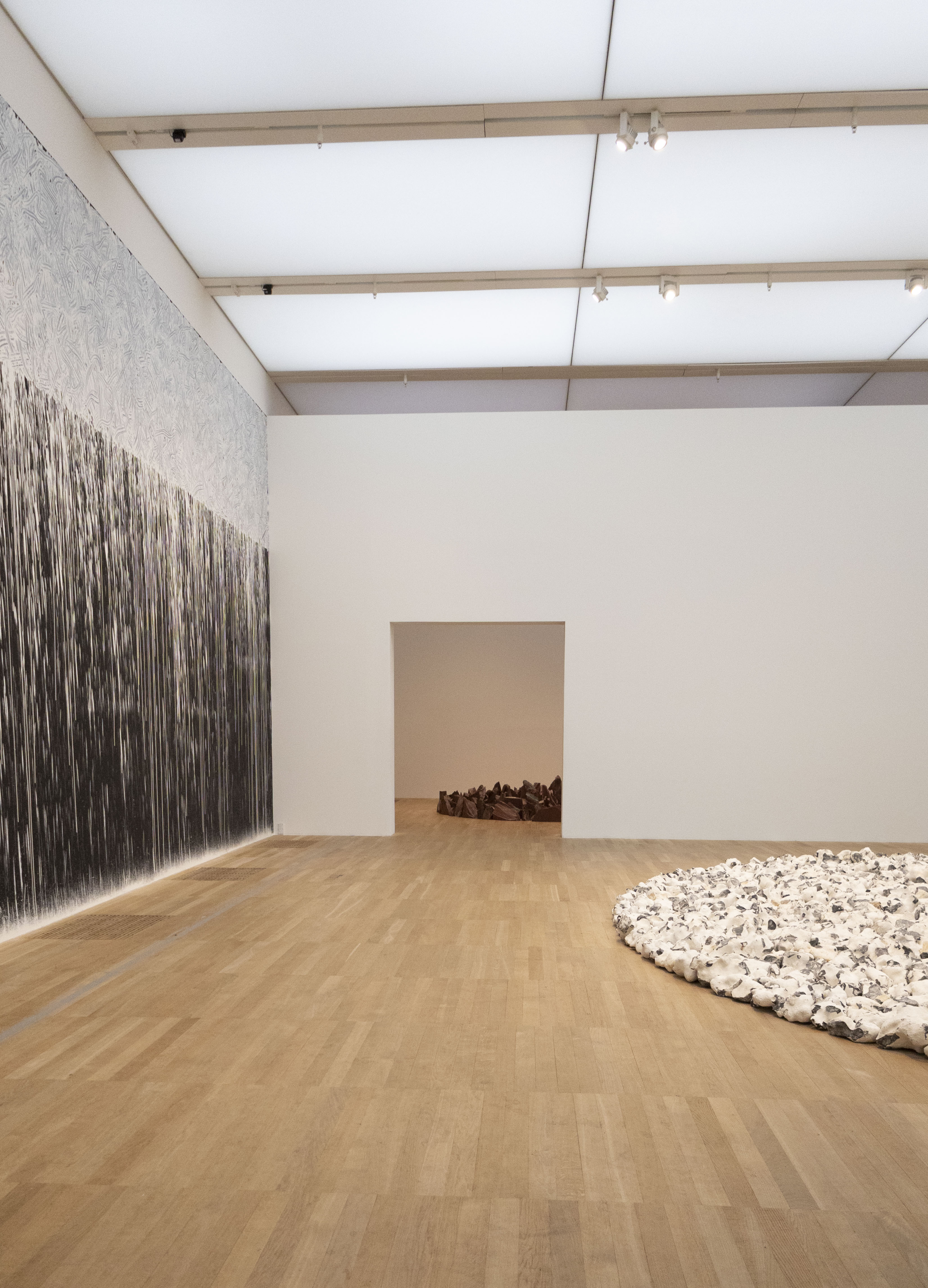
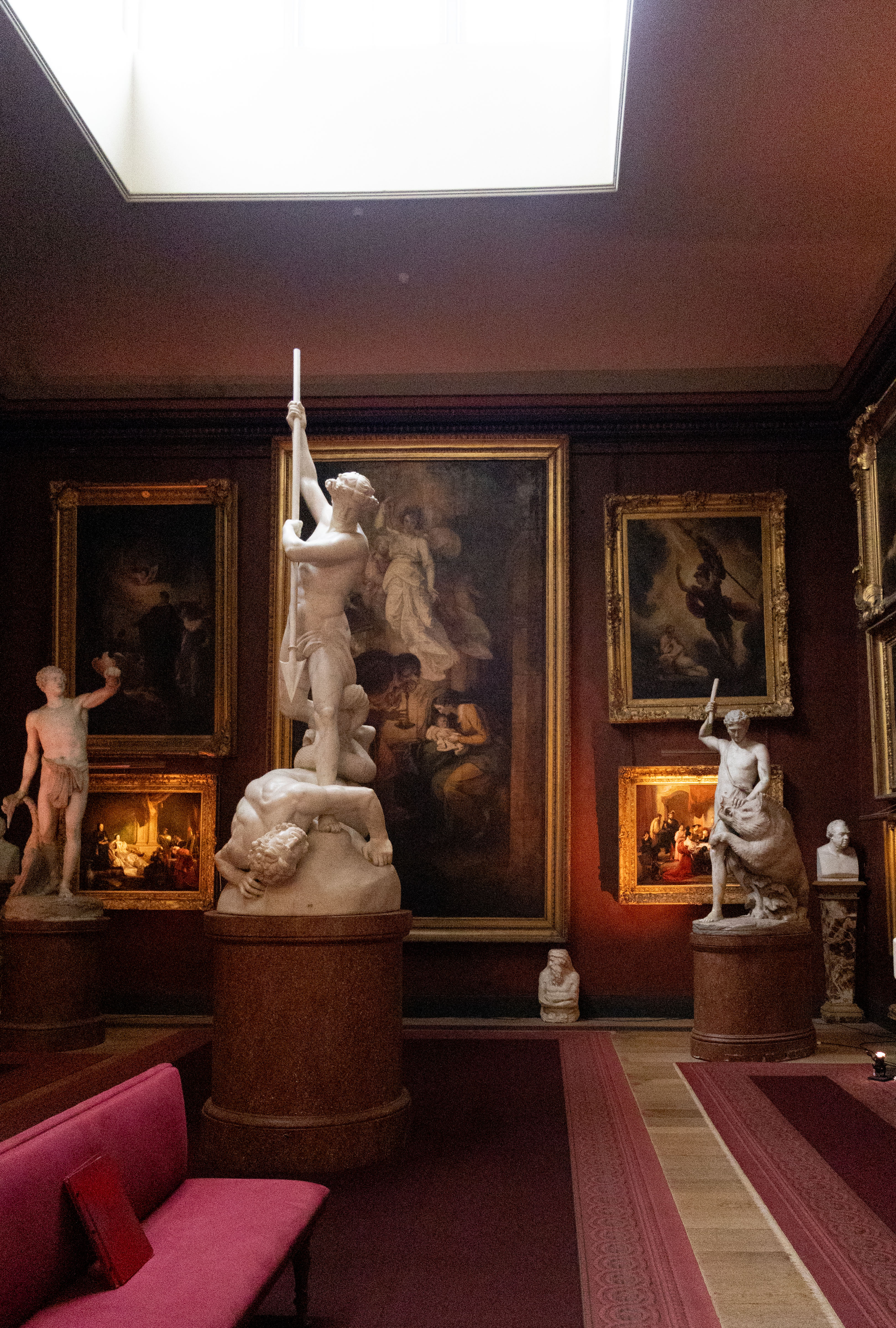
Sculpture, and three-dimensional installations require the architecture to be a supportive partner, managing volume and flow rather than just providing a flat surface. We treat these pieces as architectural anchors.
- Designing for Mass and Volume: Unlike two-dimensional art, sculpture demands surrounding space. We design rooms with intentional sightlines, ensuring key pieces are revealed incrementally as you move through the home, maximizing their impact from multiple angles.
- Integrated Plinths and Niches: Large-scale pieces shouldn't look like they were dropped in after the fact. It is possible to design recessed, load-bearing plinths crafted from seamless materials like integrated stone or timber. These platforms lift the art to the optimal viewing height while making the piece feel structurally fundamental to the building itself.
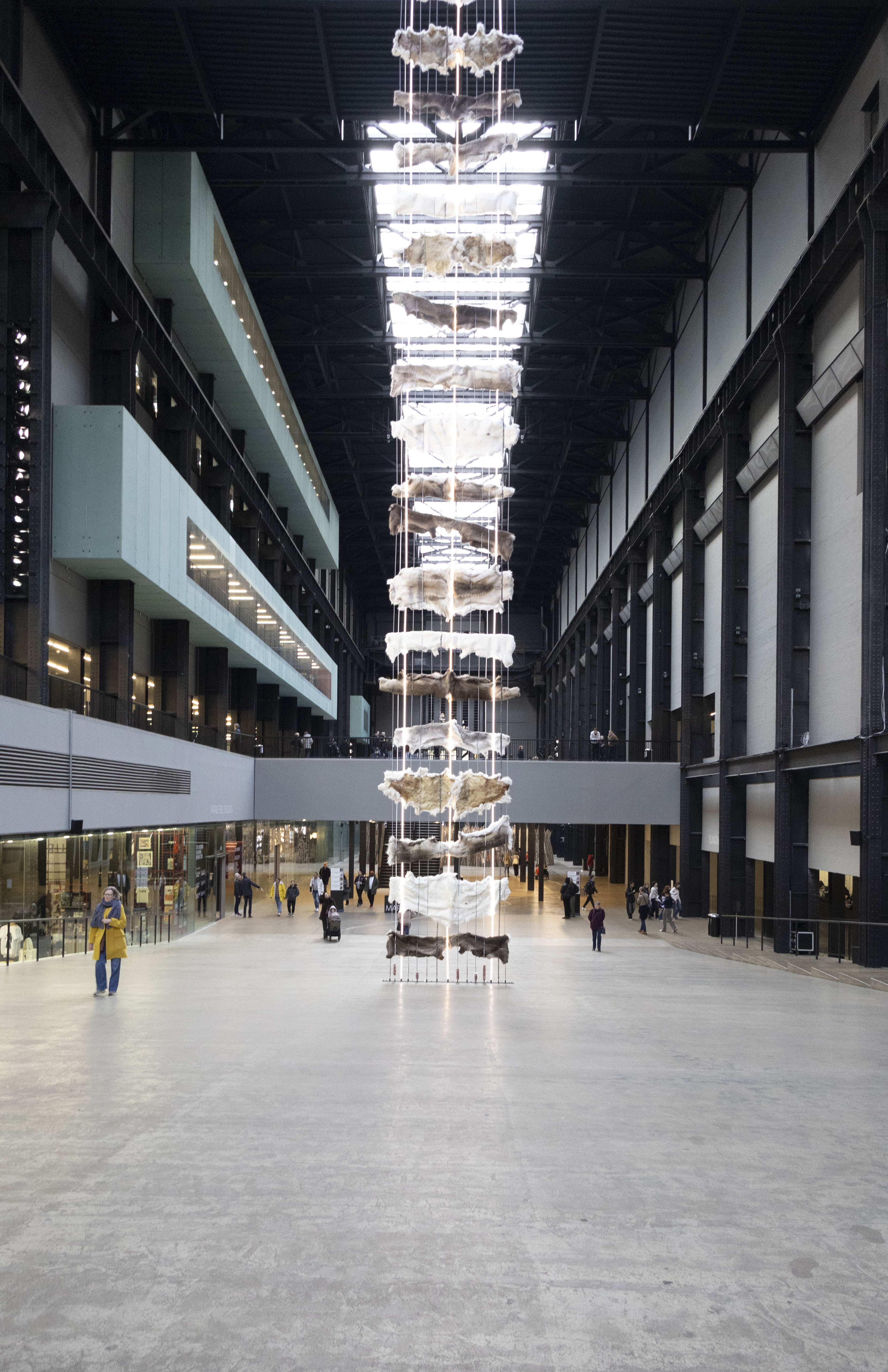
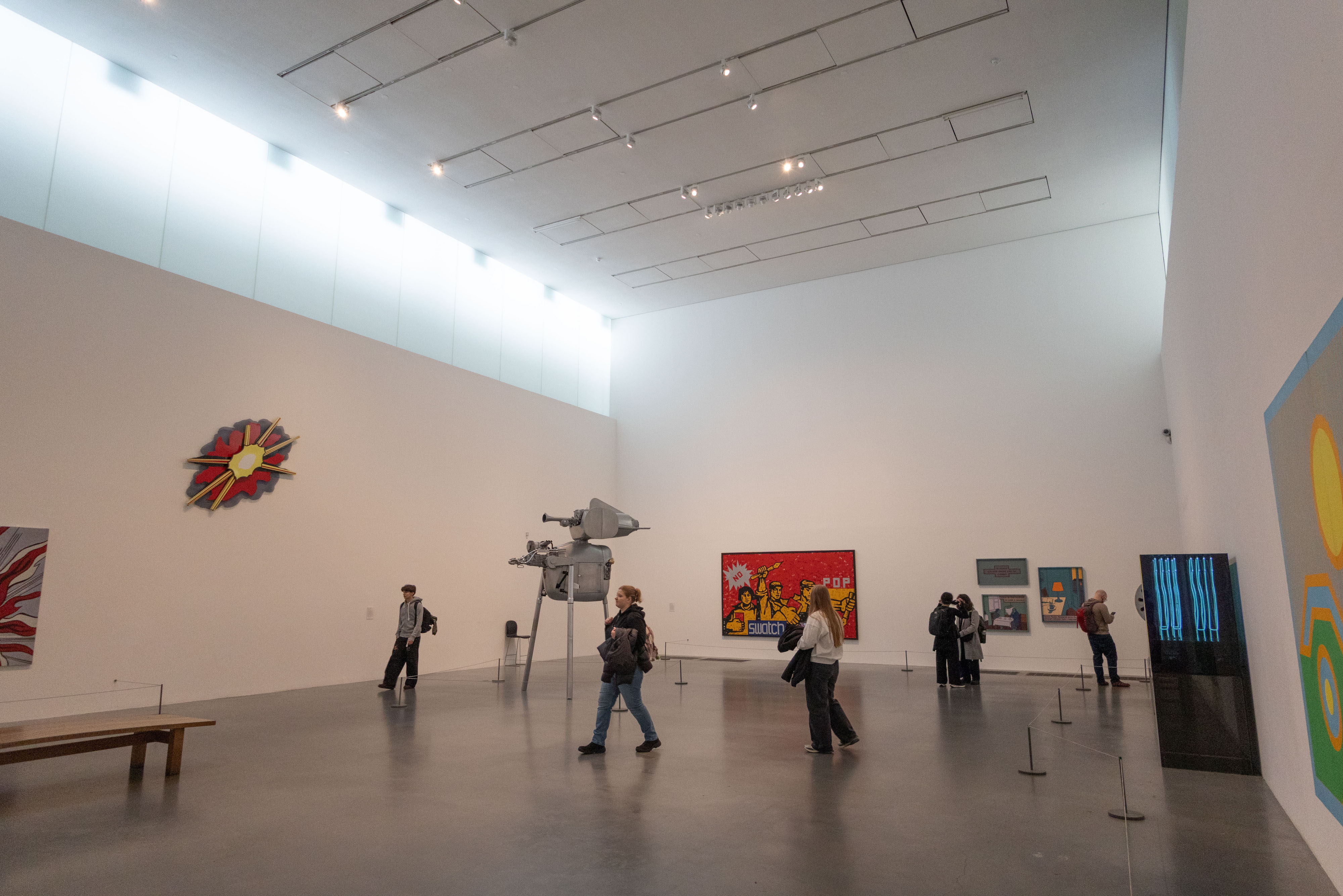
- The Intentional Corridor: Long, wide corridors are transformed into kinetic galleries for large, mobile pieces or installations. High ceilings and carefully managed dimensions ensure that even monumental works feel balanced, rather than overwhelming, turning the journey through the home into a private museum visit. The spaces need to be generous enough to prevent the art being knocked or damaged.
2. The Art of the Reveal: Perfecting Light for All Mediums
The medium dictates the method. Protecting and illuminating your collection requires technical precision that differs dramatically across oil, print, and sculpture.
Precision Hanging and Illumination for Canvas (Paintings):
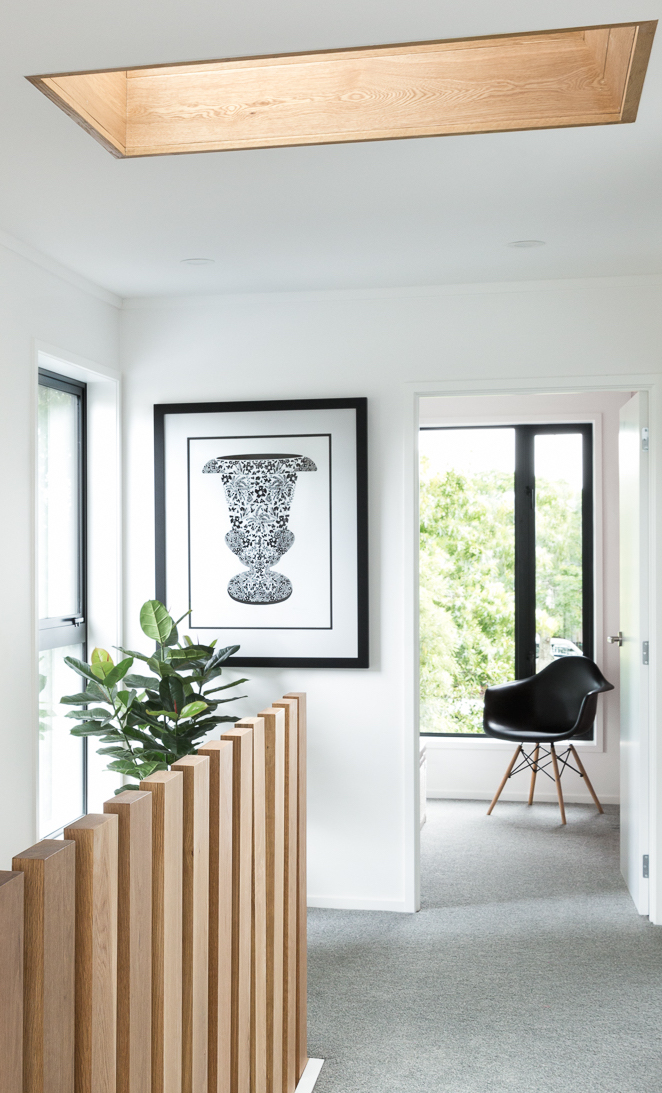
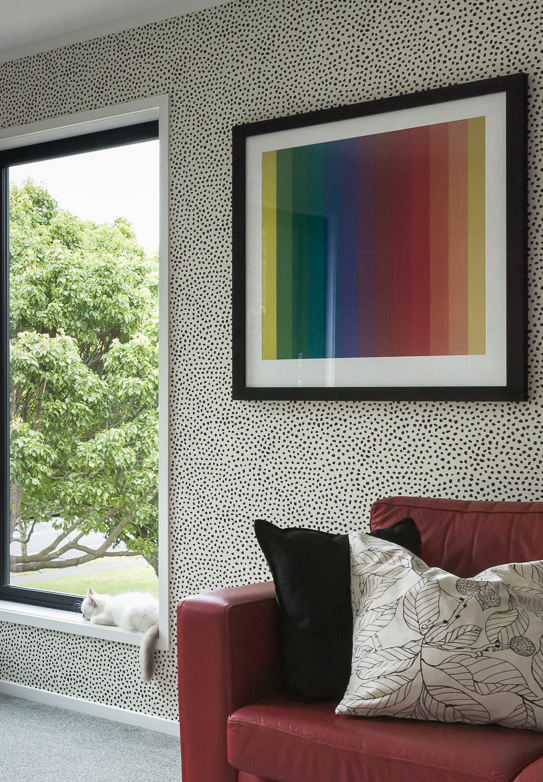
The display of paintings, particularly those with texture (oils, heavy acrylics), is a different science. We prioritise the "museum hang," placing the center of the canvas at the average eye-level (typically 1450mm to 1500mm from the floor) to ensure immediate, effortless appreciation. For illumination, the key is the angle. You can use adjustable, specialized fixtures, often recessed into the ceiling, aimed at a 30-degree angle. This subtle angle maximises the visibility of brushwork and texture while eliminating the common problem of glare or distracting hot spots caused by lights aimed too steeply. The surrounding wall treatment is also intentional, sometimes utilising a subtle tone to complement the depth and richness of pigments, ensuring the painting feels grounded and balanced.
Hanging extra large works may require additional support within timber framed walls, so consideration regarding your preferred hanging method is useful to have included in your intial brief to your architect, as well as ensuring there are extra solid timber 'nog's for fixing back to at the preferred hanging height.
Protection and Illumination for Photography and Prints:
The medium of photography—especially delicate archival prints—has unique vulnerabilities. Use museum-grade, non-reflective, UV-filtering glazing and framing to protect the print while eliminating distracting glare. We employ custom, low-UV accent lighting with high Color Rendering Index (CRI) sources that focus a narrow, clean beam onto the artwork, enhancing depth and tone without introducing damaging heat or UV radiation.
Ambient Control:
While large windows are essential for connectivity and natural light, direct sunlight is really not great for all forms of delicate art. You can incorporate into the architectural design integrated hidden, automated solar shades and UV-filtering architectural glazing that maintains a protective envelope around the entire collection, allowing you to enjoy the views and the art simultaneously without compromise.
3. Honouring the Investment, A Legacy by Design
When the architecture honours the collection—from the monumental nature of sculpture to the delicate complexity of a photographic print or the richness of an oil painting—the home transcends its function as shelter. It becomes a genuine reflection of your life's journey and the enduring legacy you are building—a daily source of inspiration, quiet confidence, and emotional connection.
Share