The Architecture of Stewardship. Navigating New Zealand’s Sensitive Landscapes
For the international investor establishing roots in Aotearoa, the selection of a site is rarely a mere transaction, it is an act of finding a resonance with the land. However, New Zealand’s most compelling locations—from the heritage-protected avenues of Auckland’s Special Character suburbs to the exposed coastal and lakeside shorelines —demand a specific architectural intelligence. At this level of investment, high-value development and environmental sensitivity are not competing interests; they are complimentary pillars of a successful project.
The initial challenge of building within a Special Character Area (SCA) or a sensitive coastal zone is often perceived as a series of restrictive hurdles. In reality, these planning overlays serve as the guardians of long-term capital value. They ensure that the very qualities that make a location desirable, its scale, its history, and its ecological integrity, are preserved against the erosion of insensitive development. Successfully navigating a character assessment requires a move away from the "trophy" mindset toward a philosophy of stewardship. It requires an understanding of how to prove to both local authorities and the environment itself that a new structure respects the existing rhythm of its neighbors, whether that be a heritage grain in an urban setting or the delicate biodiversity of a coastal cliff.
In these environments, the architecture must act as a bridge between human life and the natural world. This is achieved through a disciplined response to form and materiality. Rather than imposing a dominant volume upon a ridgeline, a sophisticated design follows the natural contours of the site, utilizing low-profile silhouettes that feel grounded in the earth. In coastal contexts like Tutukaka or Waihkeke, the house should not fight the elements but respond to them. This is the luxury of living in synchronicity with the landscape, where the architecture provides a seamless transition between the "openness" of the Pacific horizon and the "enclosure" of a private sanctuary.
The choice of materials is central to this dialogue. Selecting honest, tactile elements, timber that patinas under the salt air or stone that mirrors local geology, ensures the structure is not a temporary addition but an enduring legacy. These materials create a home that is warm and responsive to daily life, gaining character over time rather than requiring constant restoration. It is a shift from mass-produced luxury toward a bespoke, handmade quality that reflects a life lived with intention.
For those navigating this journey from abroad, the process requires a high degree of collaborative craftsmanship. The project must be de-risked through early, precise alignment with New Zealand-based legal and planning advisors to ensure OIO and RMA requirements are met with confidence. Yet, the technical success of the build is only the foundation. The true objective is to translate complex, often unspoken desires into an intuitive environment—one designed around the rituals of the people who inhabit it.
A significant residential investment in New Zealand is more than the construction of a house; it is the curation of an arrival. By balancing the rigors of sensitive consenting with a poetic commitment to craft, the transition from an overseas investor to a local steward becomes effortless. The result is a home that feels like a whisper from the past brought beautifully into the present—a physical legacy, marked with a signature of quality.
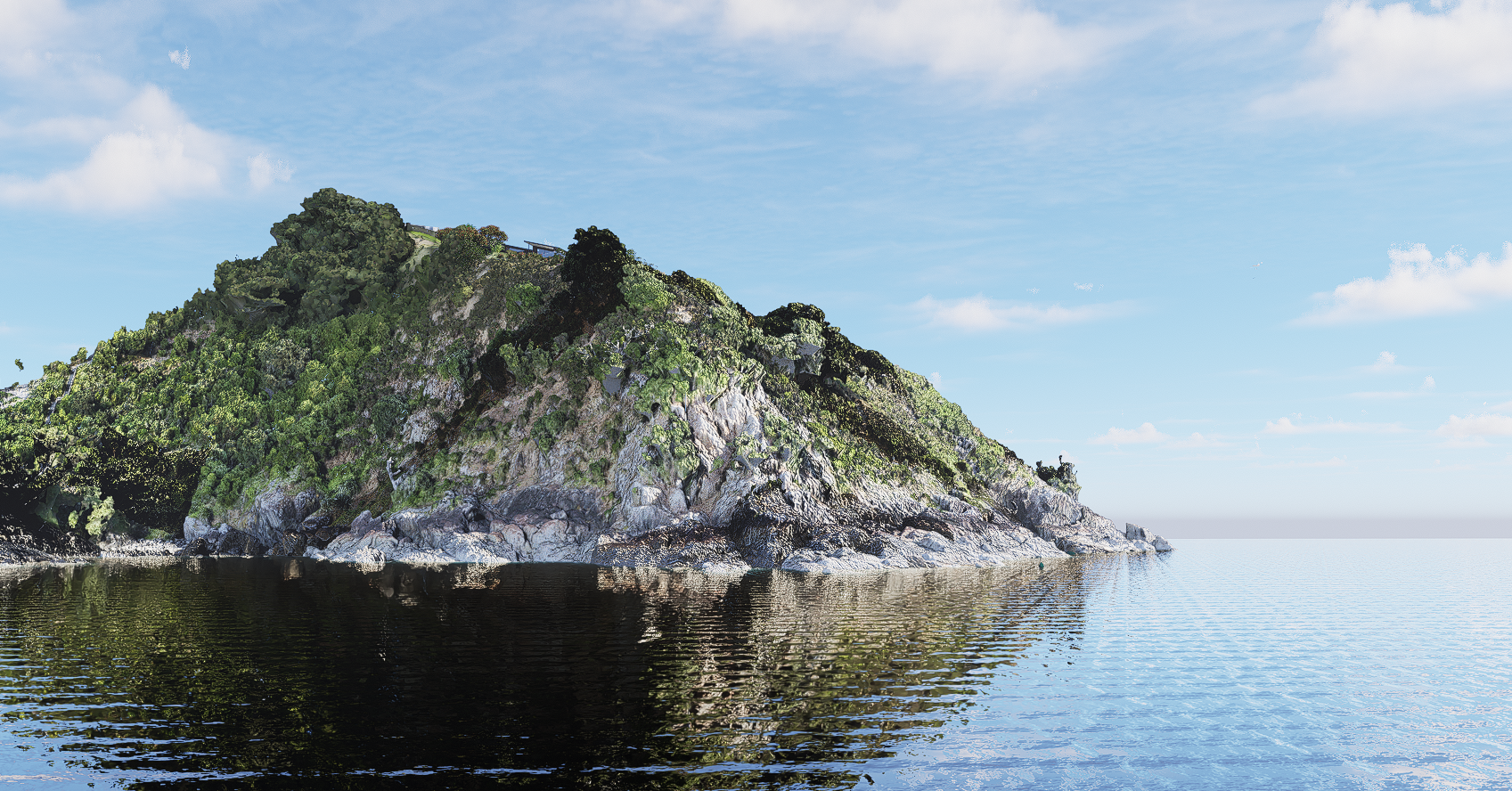
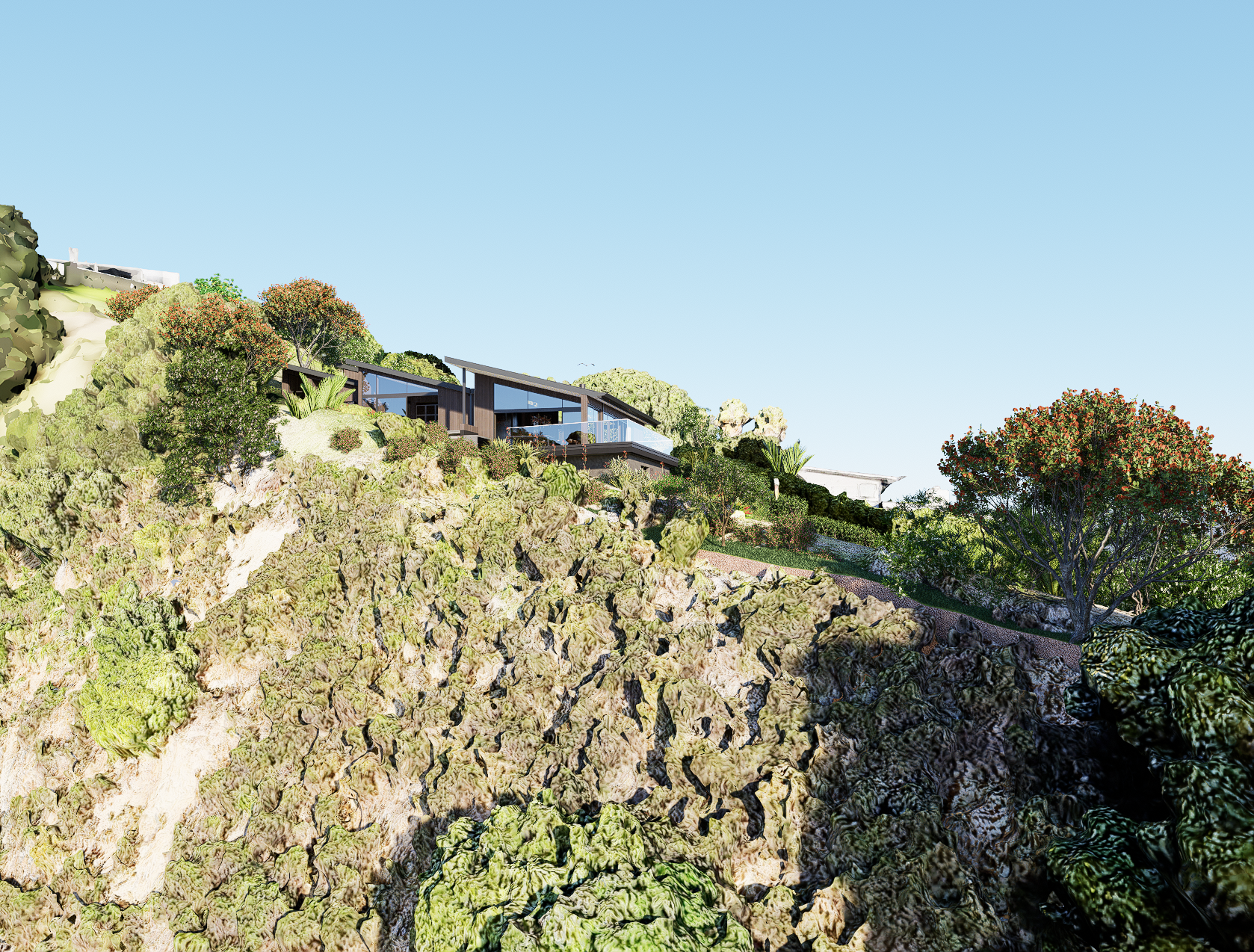
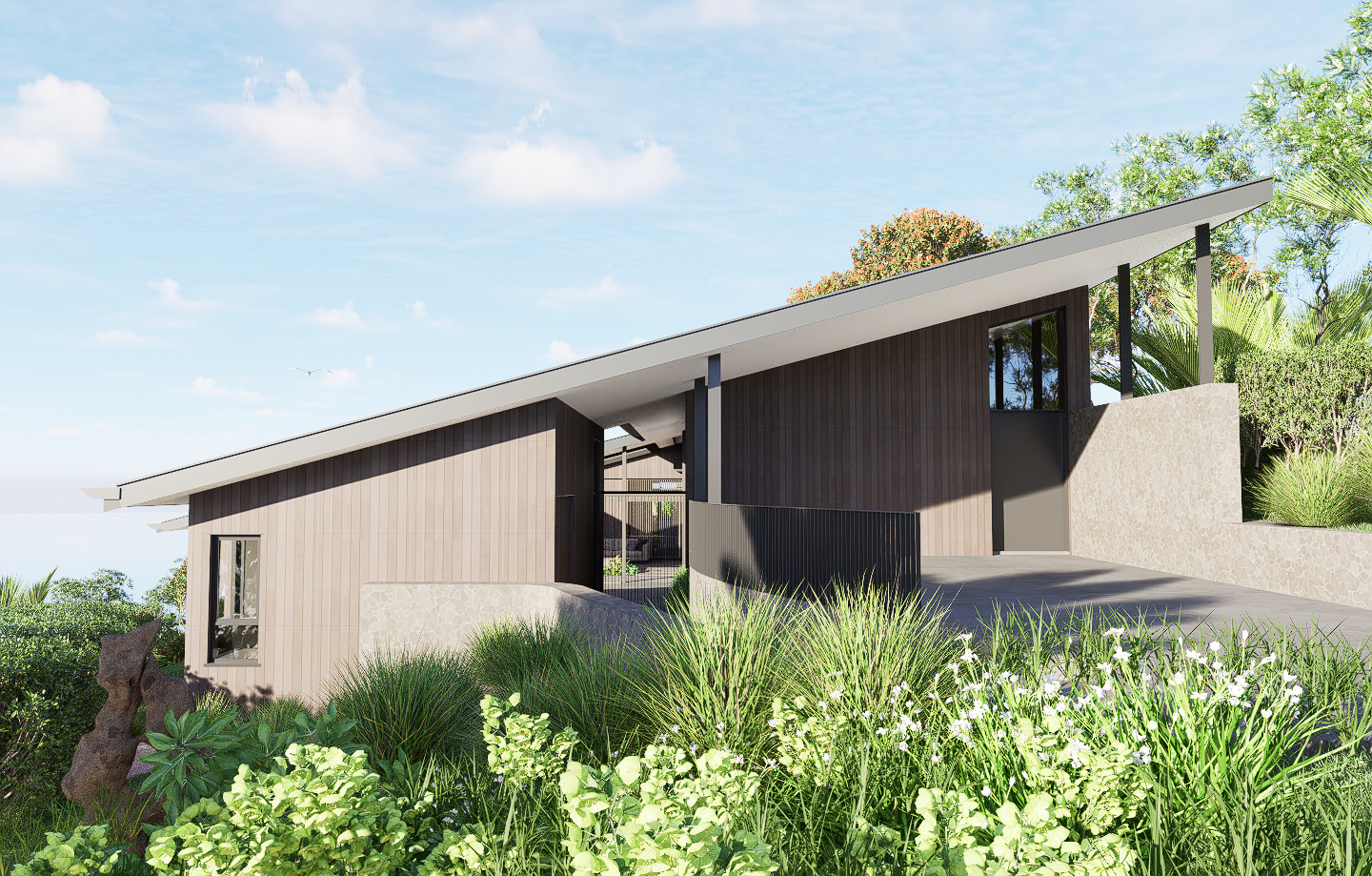
* Our Concept renders (such as these) are combined with drone survey mapping to ensure impact and visual impression on the environment are descriped accurately for a comprehensive and considered resource consent and OIA approval application.
Share