Reconnecting Architecture and Making
I did not grow up dreaming about becoming an architect. I simply grew up watching my parents build three homes before I had even left primary school, climbing through framing walls to get to the breakfast table before the linings went on the walls. My parents and grandparents were makers and craftspeople, whether it was woodwork, building, furniture, sewing, or any form of craft, there was never a doubt that we could make it if we needed to.
In contrast to the modern professional, the architects of the ancient world held much more expansive roles. They weren't just design specialists; they often served as master sculptors, various types of engineers (marine, military), or even designers of public festivals. This deep, practical involvement is reflected in philosophy. Both Plato and Aristotle employed the term ‘to architect’ to signify civic and intellectual leadership, suggesting the application of expertise for the collective benefit.
In the 11th and 14th centuries, the role of the architect was that of the master mason, highly skilled at the craftsmanship of stone and passing down that experience through apprenticeships over many years. This historical lineage tells us something fundamental, the skill of an architect relies on their ability to understand the materials they are using, their comprehension of how that end result will be experienced by the individual and the community, and how it responds to the context in which it is built.
Beyond Shelter. The Quest for Delight
The design of architecture gradually separated out from the construction of buildings over the years that followed. Design of Architecture became an expression of the values of people and culture, clearly articulating what mattered, what message they wanted to pass down for generations.
The art of successful architecture is something that began to intrigue me later in life. I experienced it profoundly when I visited those early stone buildings, the great cathedrals, where the art of stone masonry made a solid building feel weightless, lifting spirits to the heavens. It begged the question: How can one make a building that not only achieves the act of shelter, but inspires, delights, lifts the eyes, and speaks with its own voice for generations?
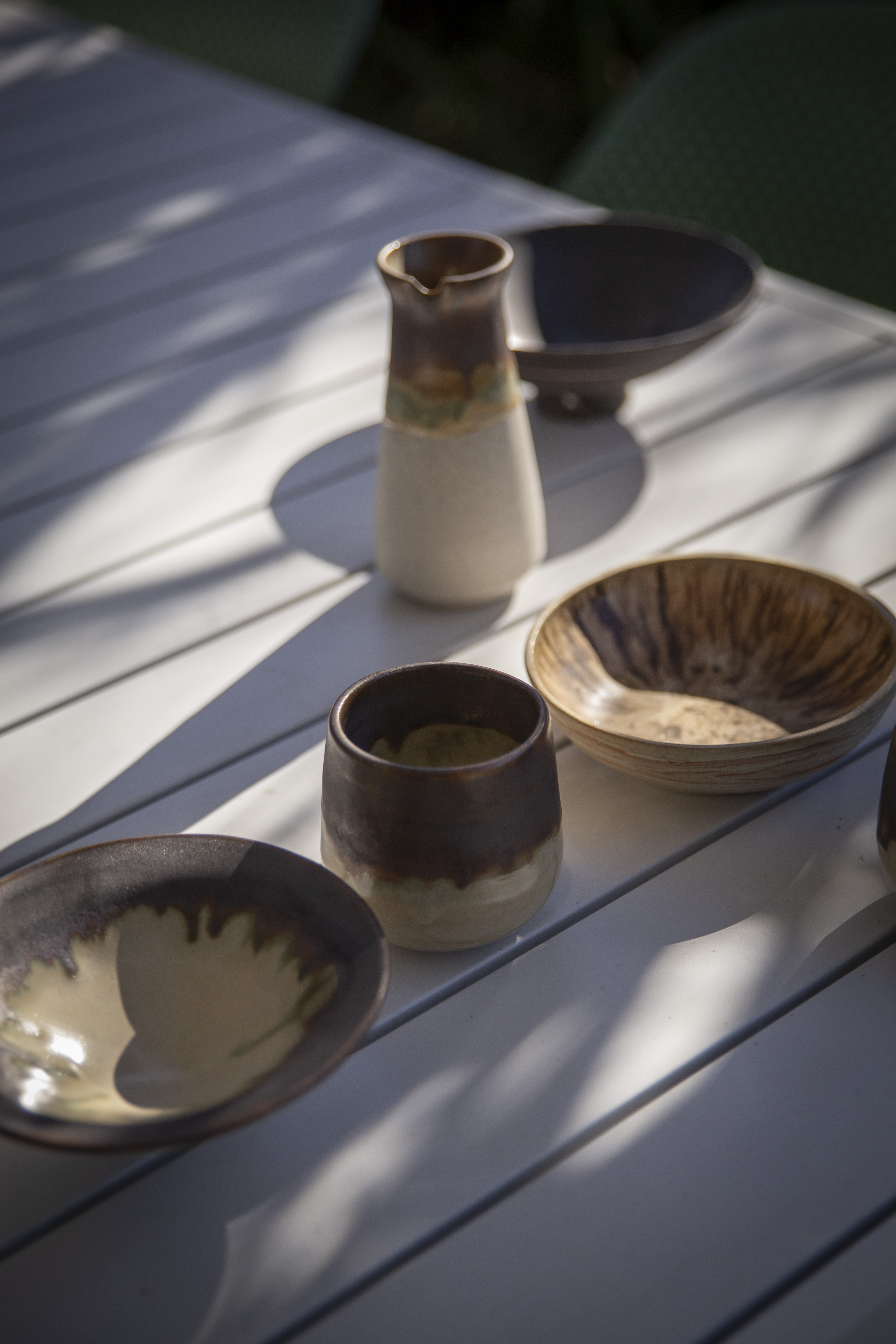
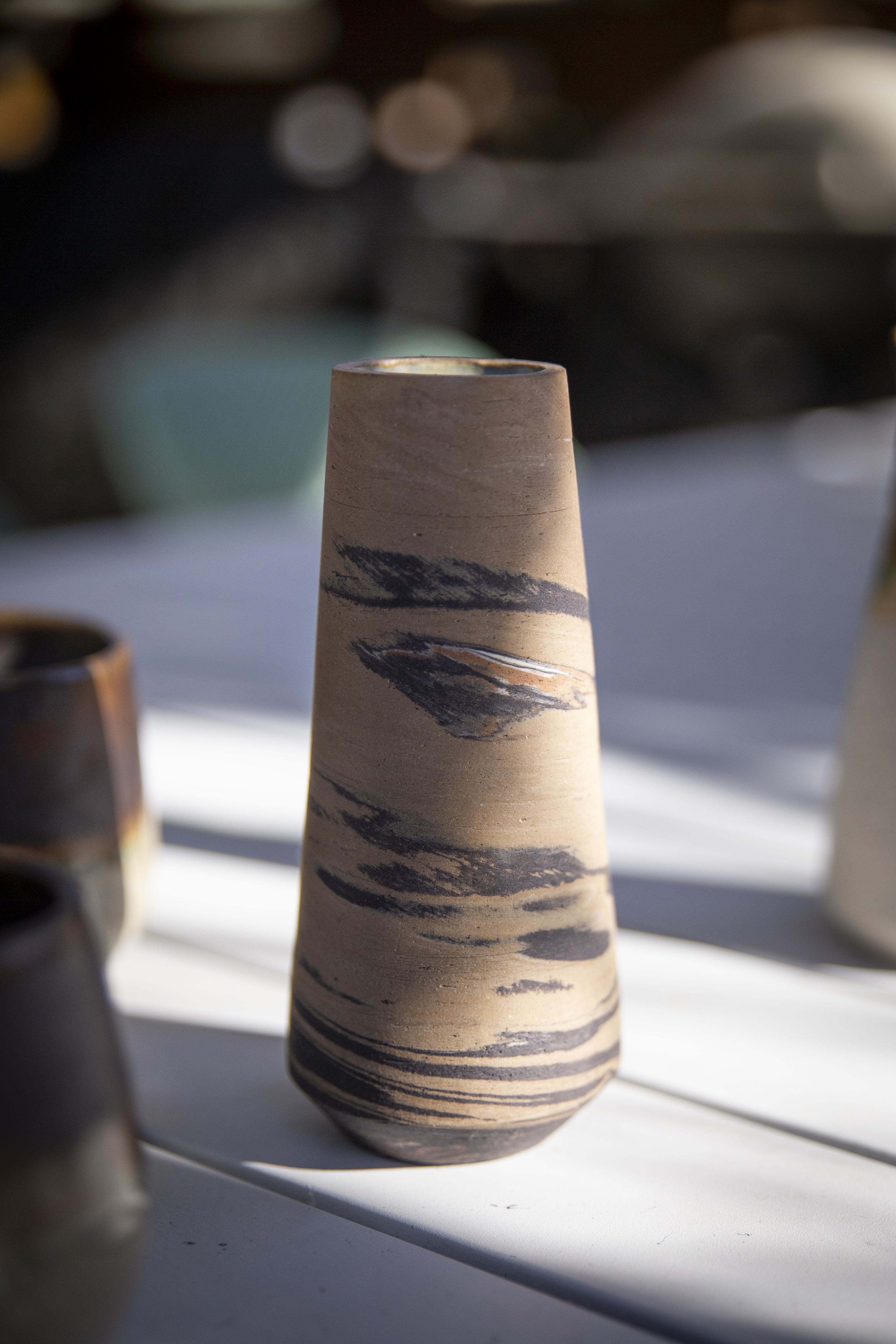
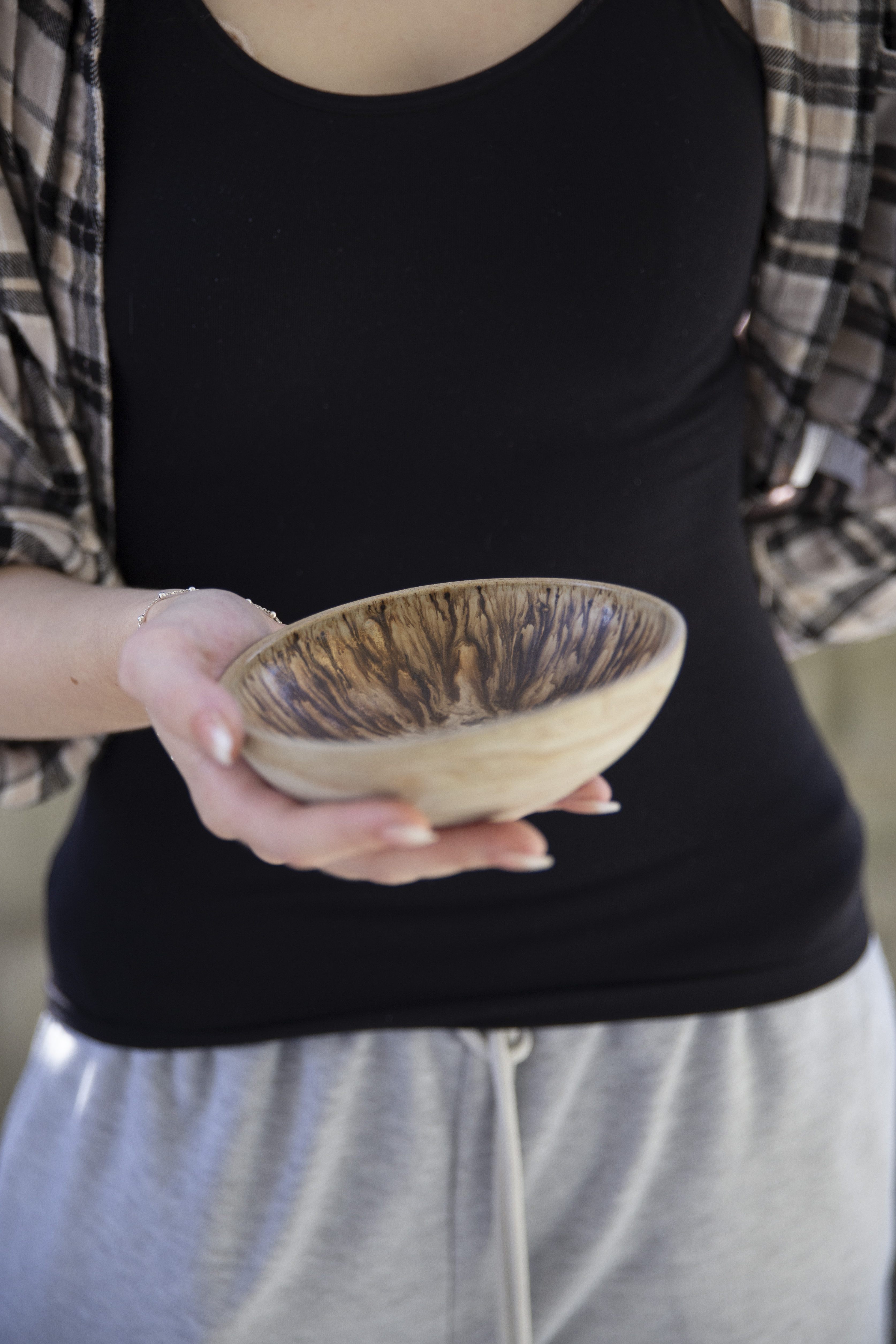
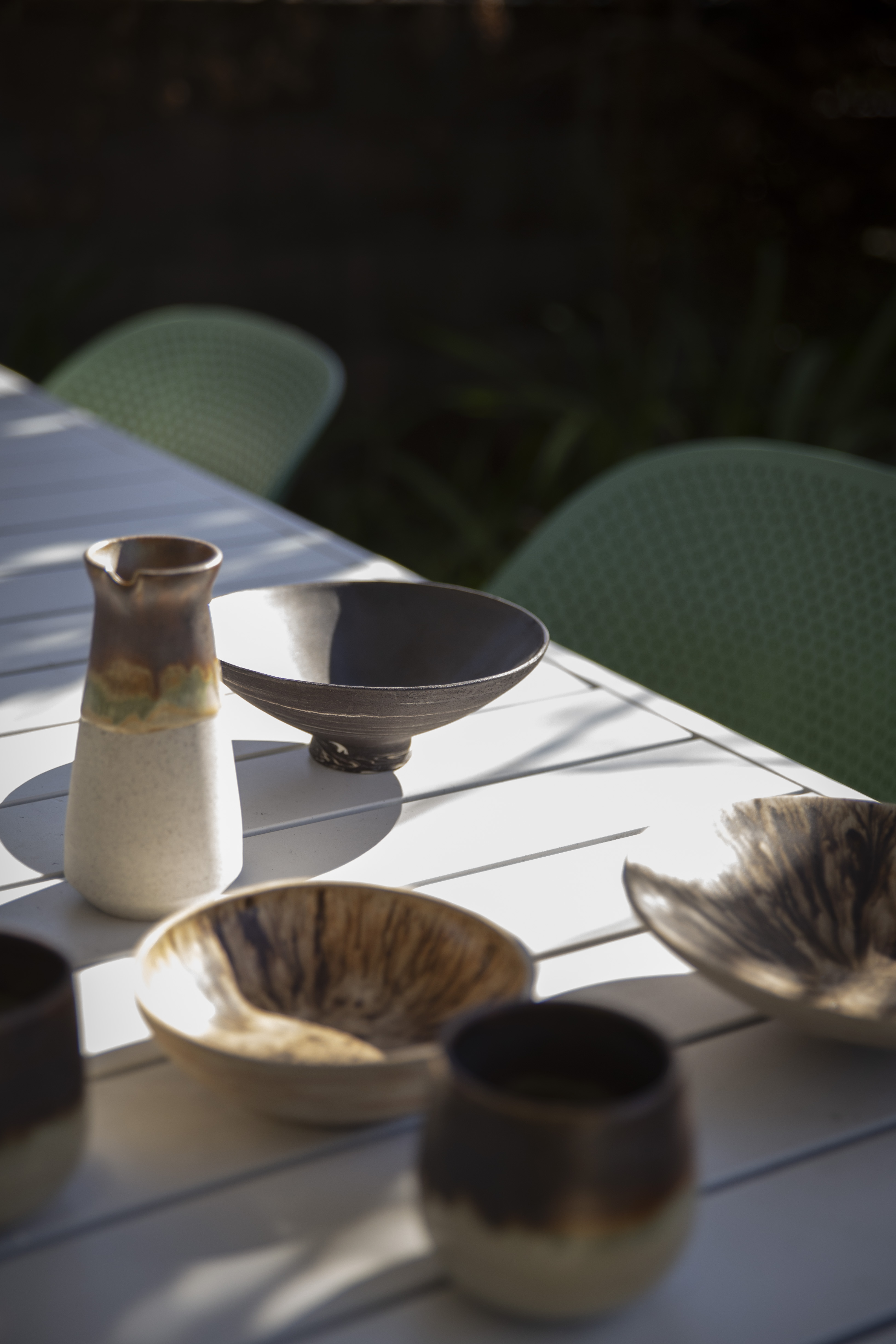
This is the dimension of architecture that separates a successful design from mere housing. It is the deep understanding of material capabilities and the sensory experience they provide. It’s the difference between a functional bowl and one thrown by a master potter—both hold food, but only one elevates the ritual of the meal.
Reconnecting Design and Making
At Day Architects, we believe the core skills of the ancient craftsperson remain crucial. The understanding of the materials that we use, the art of the design that fits its land and the lives it houses, and the delight of tactile, handcrafted elements that stimulate the senses are all things that we strive to achieve in the architecture we produce.
The importance of following through the project onto the construction site cannot be overstated. This is where the crucial collaboration between builder and architect needs to occur. The design of architecture should not be isolated from the making of it.
We aim to bridge that gap again. We want to work with builders who are master craftspeople, just as much as we value the design on paper. When we select timber, stone, or clay, we are not just specifying a product; we are inviting a material to tell a story about the land it came from and the hands that shaped it. By honouring this relationship, we create spaces that not only shelter the body but also feed the soul, ensuring that our buildings, like a perfectly crafted piece of pottery, are used, loved, and inspire for years to come.
Share