The Open-Door Philosophy. How Thermal Stability Redefines the New Zealand Coastal home
A coastal home should be a high-performance sanctuary that breathes with the sea, not just a viewing platform for the horizon.
In our previous Thoughts, we explored the quiet joy of mid-winter warmth—the way a home can hug you back when the southerly bites. But as we move to the clifftop, the architectural challenge shifts. At this elevation, a home must do more than capture a view; it must act as a responsive bridge between the inhabitant and the vastness of the coast.
At Day Architects, we design for Environmental Harmony. This means moving beyond the standard "glass box" approach toward a state of thermal stability so precise that the architecture regulates its own equilibrium.
The Architecture of Equilibrium
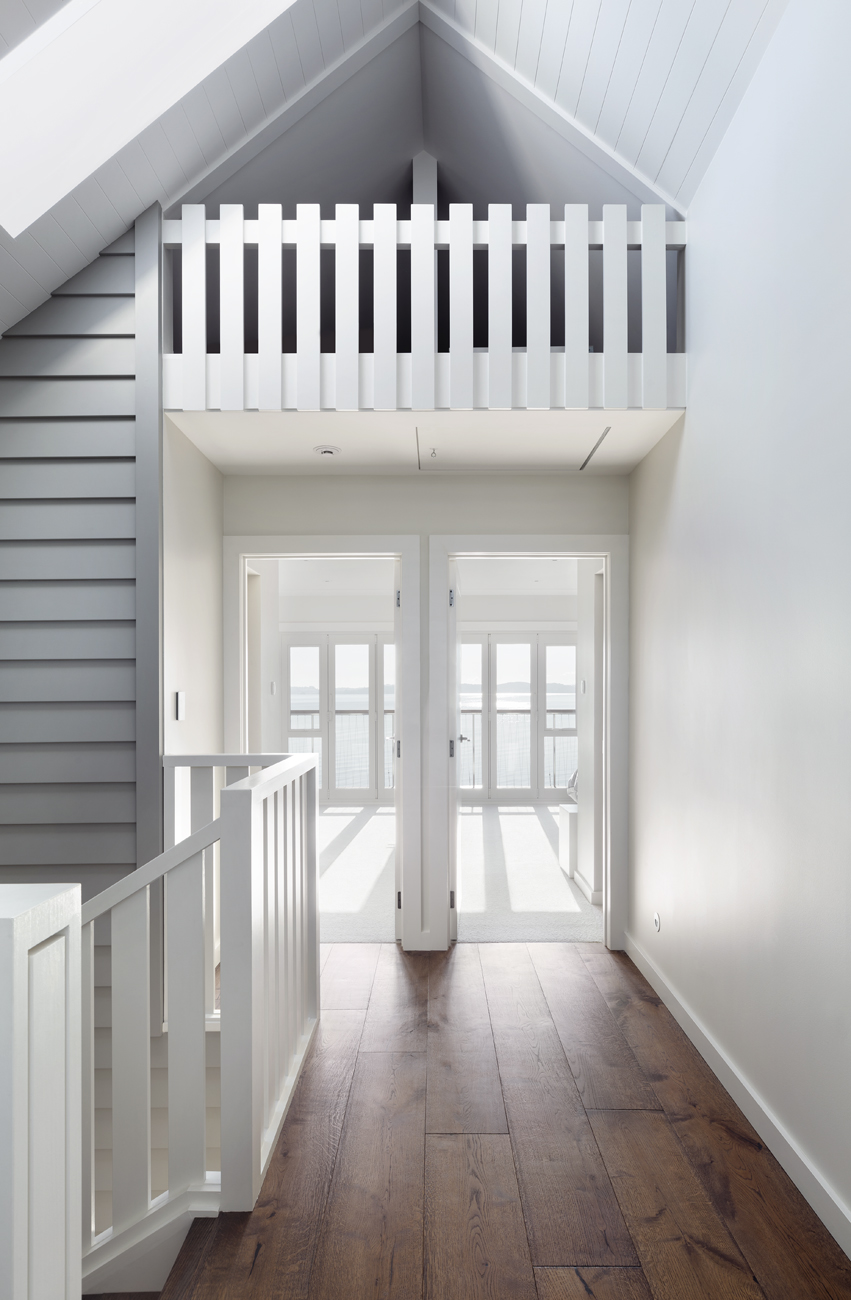
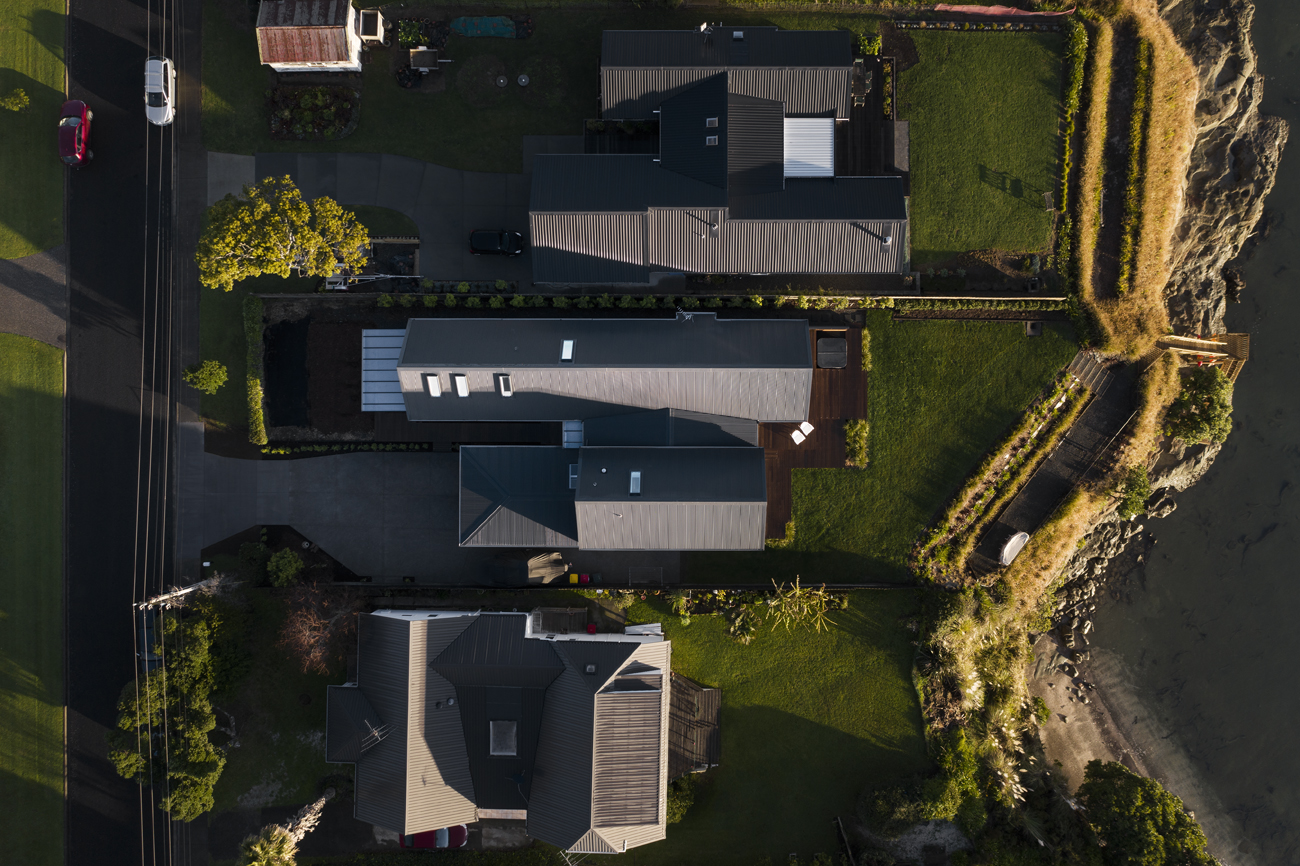
The goal of a well-designed clifftop residence is to maintain a constant internal temperature while remaining entirely open to the environment. We achieve this by treating the structure as a living lung. In our Beach House project, we utilized a specific combination of thermal insulation, shading overhangs and cooling chimneys.
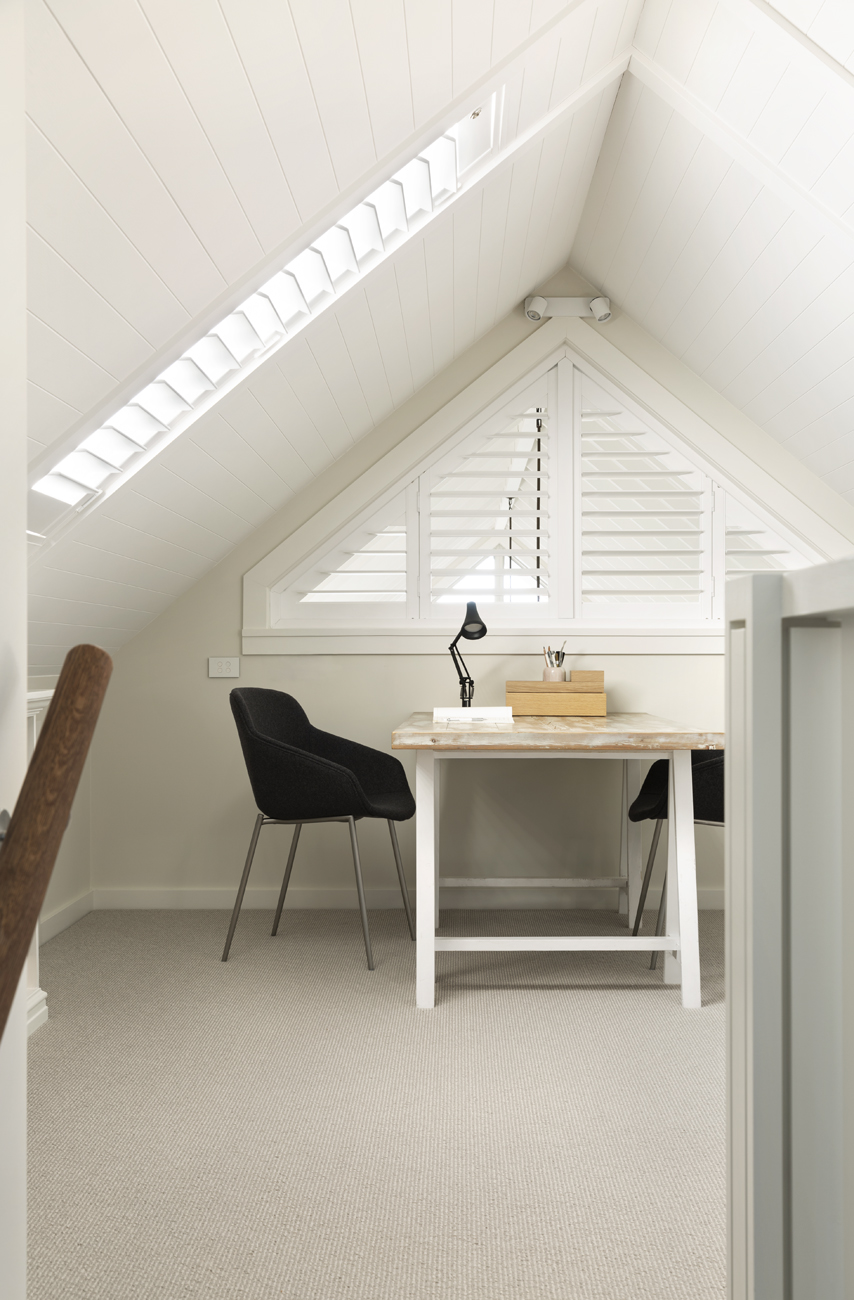
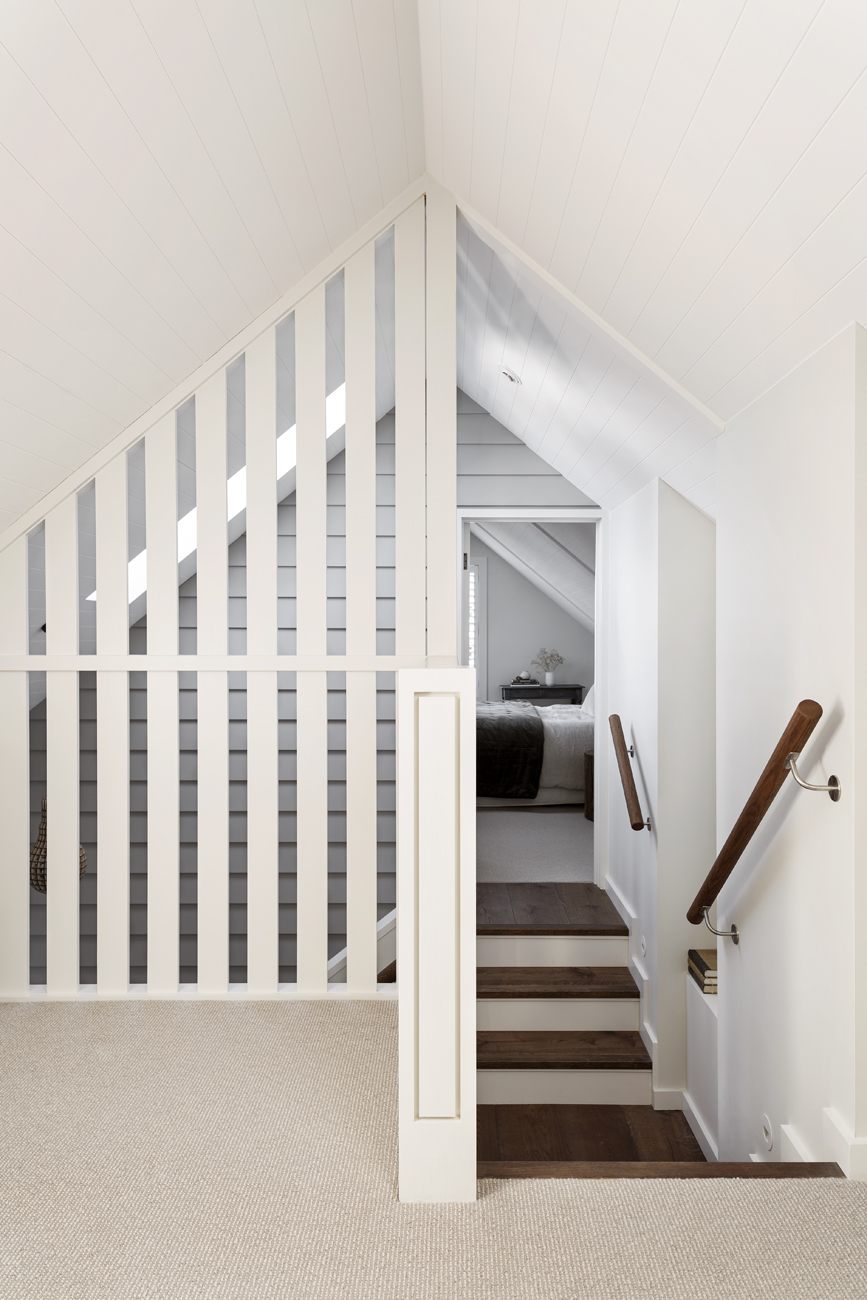
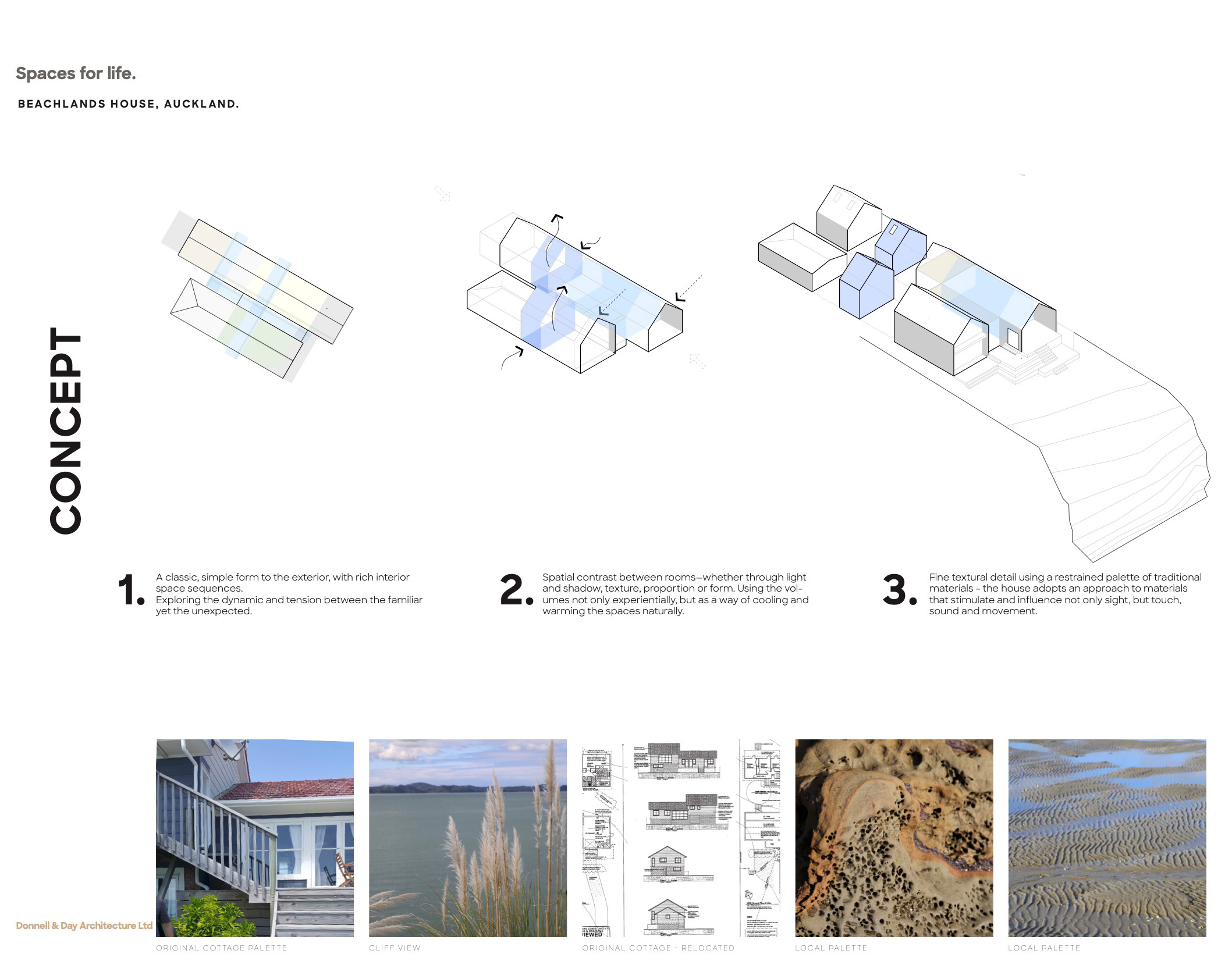
Rather than relying on mechanical air conditioning, which creates a sensory barrier between you and the sounds of the shore, we utilize the physics of the site. By integrating cross ventilation and vertical voids within the stairwells, then crowning them with automated, sensor-driven skylights, we create a natural stack effect.
As the midday sun warms the interior, the heated air naturally rises through these chimneys. When the skylights open, this warm air is exhausted, drawing a fresh, cool coastal breeze through the lower levels. This constant, silent cycle of ventilation keeps the home at a comfortable, stable temperature, even on the peak days of a New Zealand summer.
Living Without Boundaries
This thermal performance creates a unique freedom: the ability to live with the doors open.
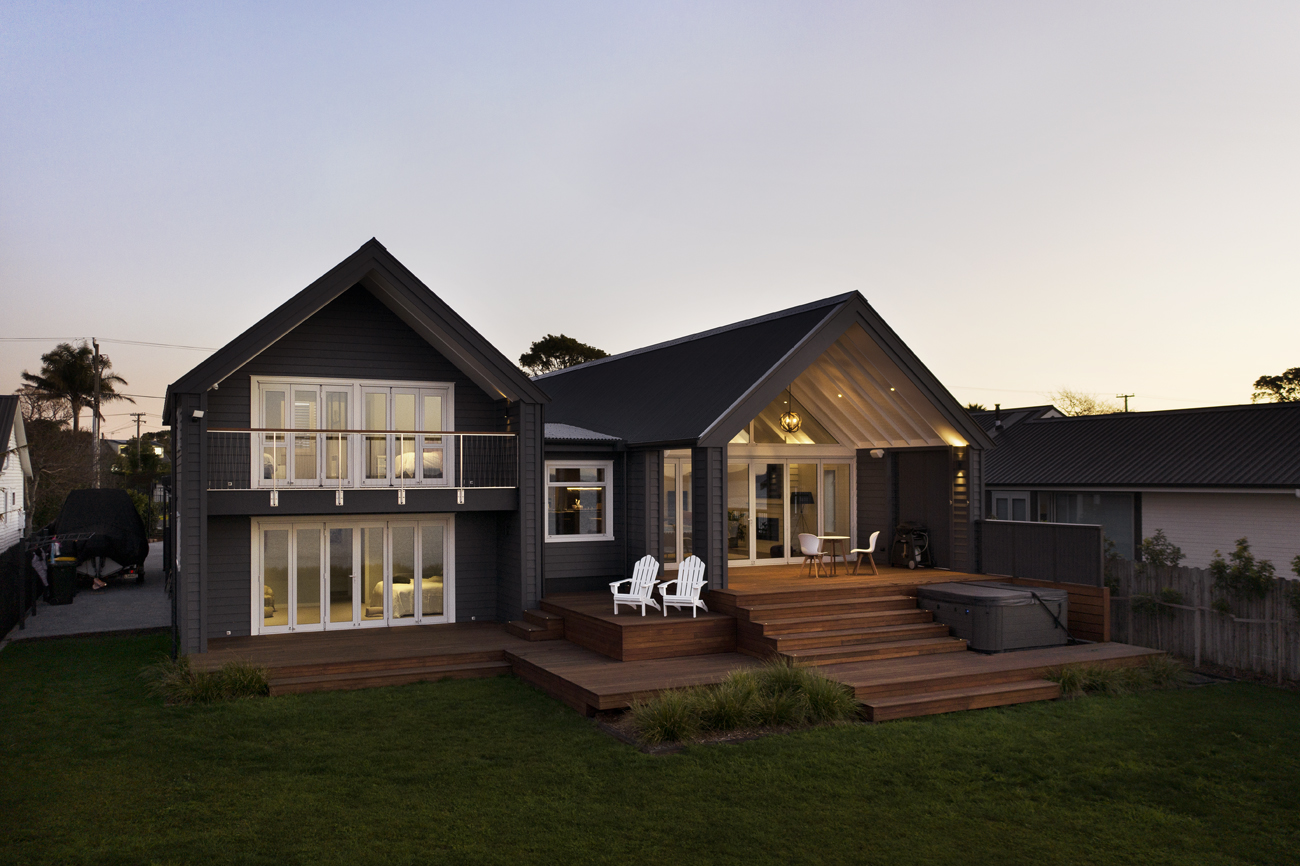
Traditionally, large glass spans on exposed clifftops lead to overheating, forcing occupants to close curtains or retreat behind tinted panes to escape the glare. By engineering for thermal stability, by creating calculated shading and rain protection overhangs, we allow the boundaries to dissolve. Because the core of the house remains cool and grounded, the massive sliding doors can remain open almost year-round.
Carefully proportioned openings on Western Elevations (low hot sun) ensures that the house minimises the heat gain, northern elevations have sheltered overhangs, while southern elevations invite the sun's light through gently with translucent rain protection.
The house doesn't just look at the sea; it invites it in. You can feel the shift in the tide and the cooling of the evening breeze without the "friction" of an uncomfortable climate.
Materials that Anchor
To support this performance, we look to a palette that respects the New Zealand ecosystem. Darker Colorsteel tones—like the deep charcoals and deep blue appearance of our rugged headlands—are used not just for their aesthetic restraint, but for their resilience against the salt-laden winds of the clifftop and their ability to blend with the environment. When paired with natural timber and stone, the house begins to patina and "belong" to the ground it sits upon.
We believe that the most successful architecture is that which eventually fades into the background. When the flow is intuitive and the temperature is stable, the building disappears, leaving only the experience of the landscape and the people you share it with.
Share