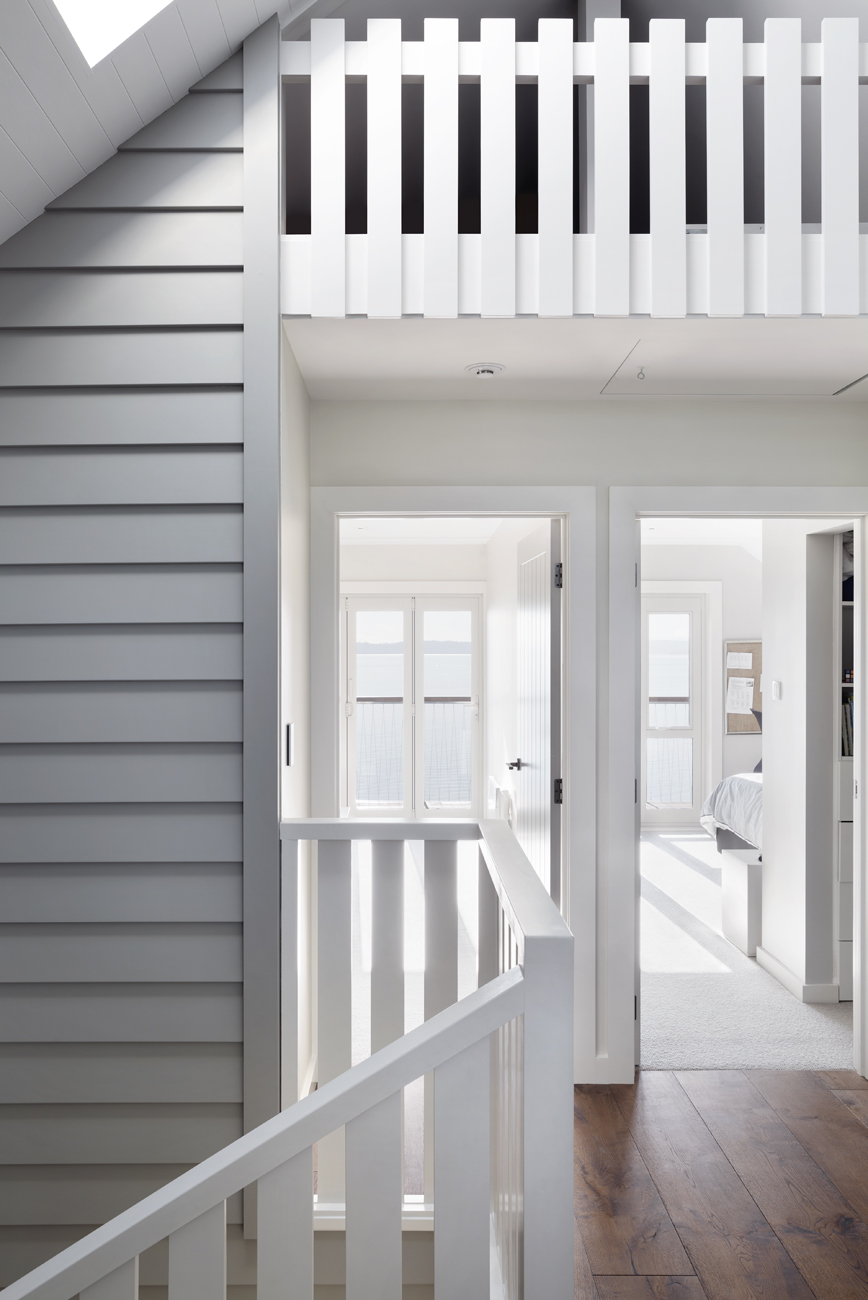
The Somatic House - how materiality and tactile rhythm influence wellbeing
For a long time, architecture tried to strip away anything that felt decorative. We were told that a house should function purely as a machine for living, defined by smooth white walls and sterile surfaces. But when you step into a space stripped of tactile depth, your nervous system notices the absence. Our senses evolved in dialogue with the natural world, an environment rich in organic geometry, timber grain, and shifting shadow. We do not experience a home purely with our eyes. We feel it through our skin, our feet, and our subconscious response to structural rhythm.
When we refer to a somatic experience of architecture, we are talking about how your physical body registers a space long before your conscious mind puts it into words. It is the immediate physiological response to scale, light, and materiality. Your nervous system continually reads your environment, picking up on the acoustic density of a solid wall, the thermal mass of concrete, or the grounding cadence of repeating timber members. Designing somatically means prioritizing these physical feedback loops so that a home actively supports physical ease, posture, and spatial awareness.
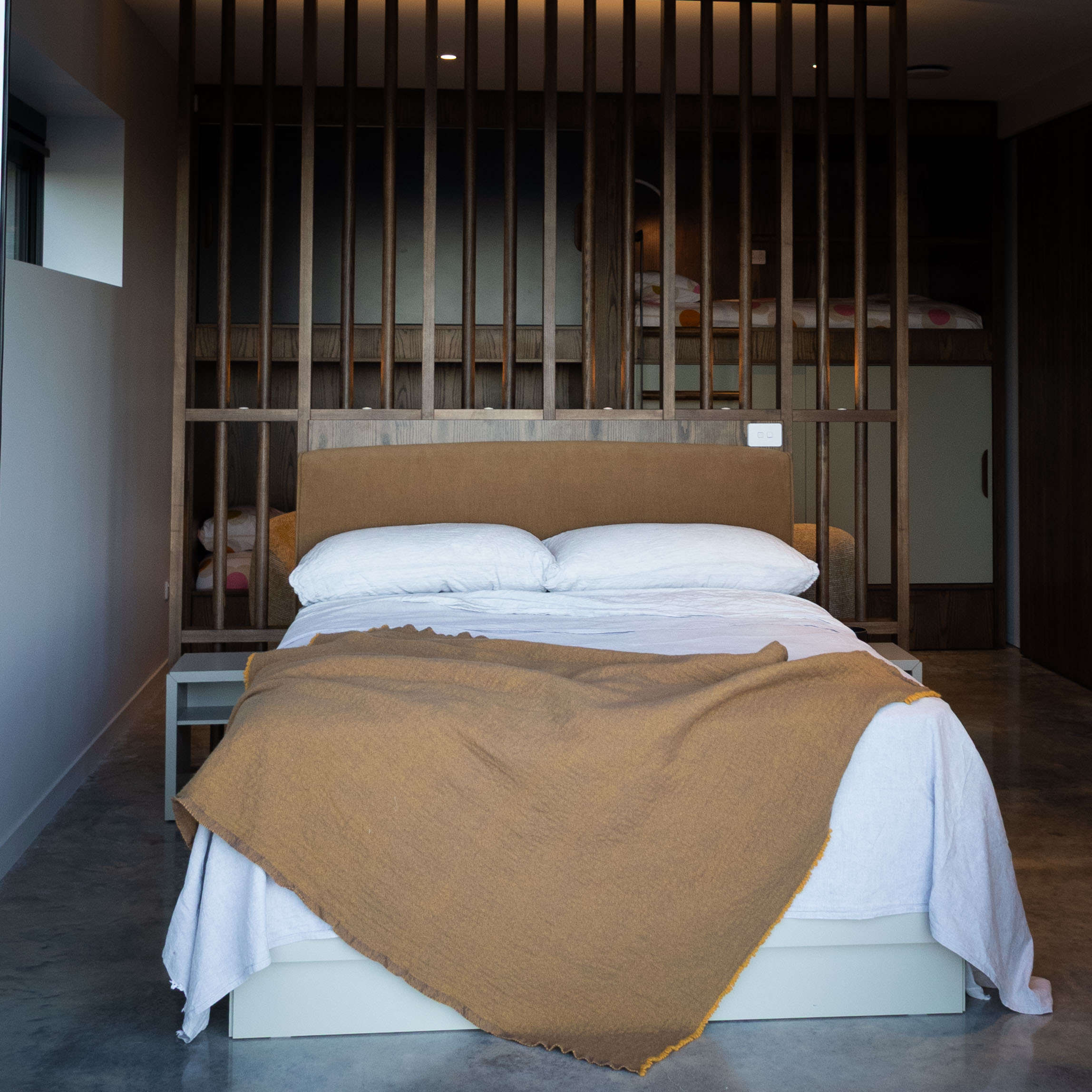
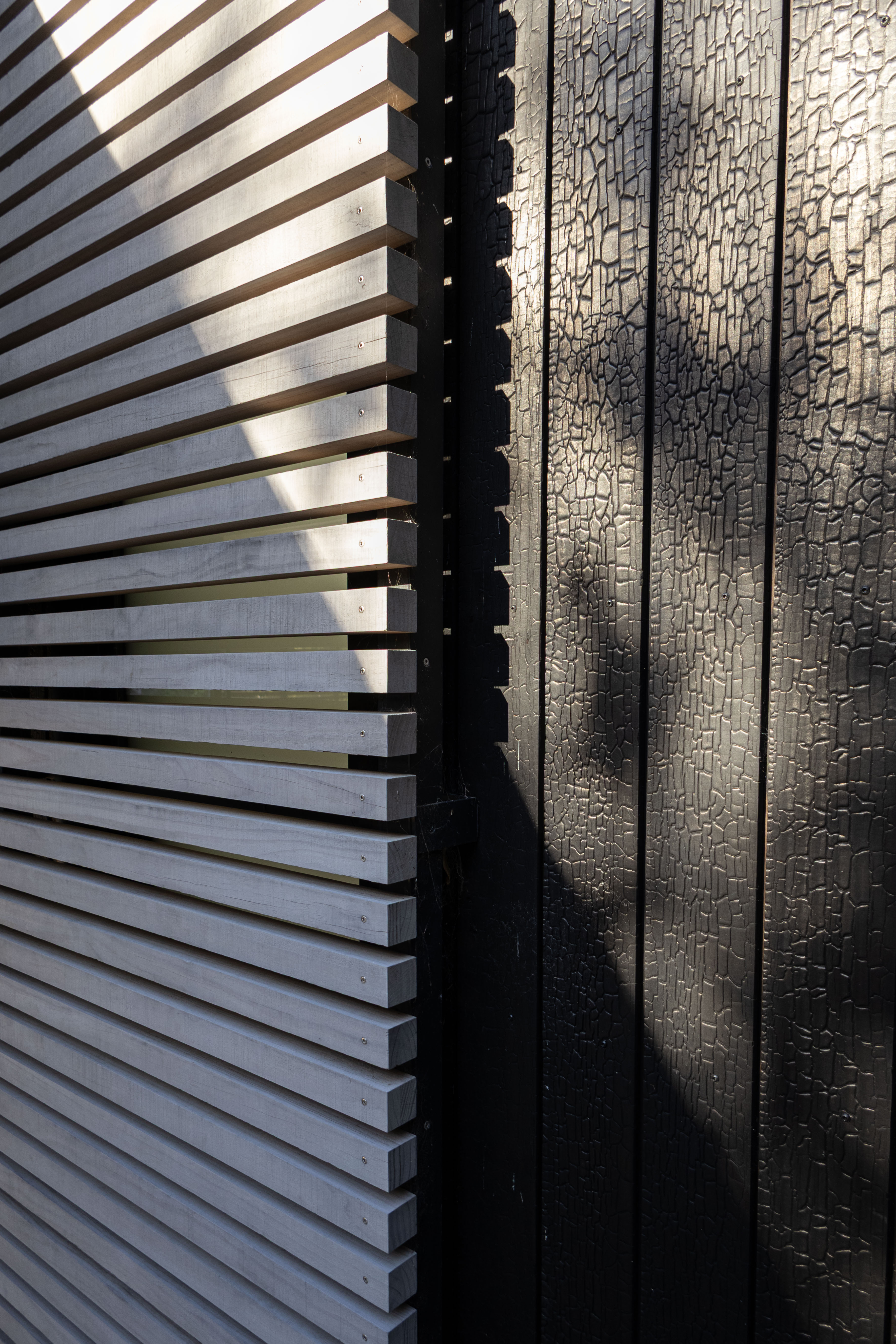
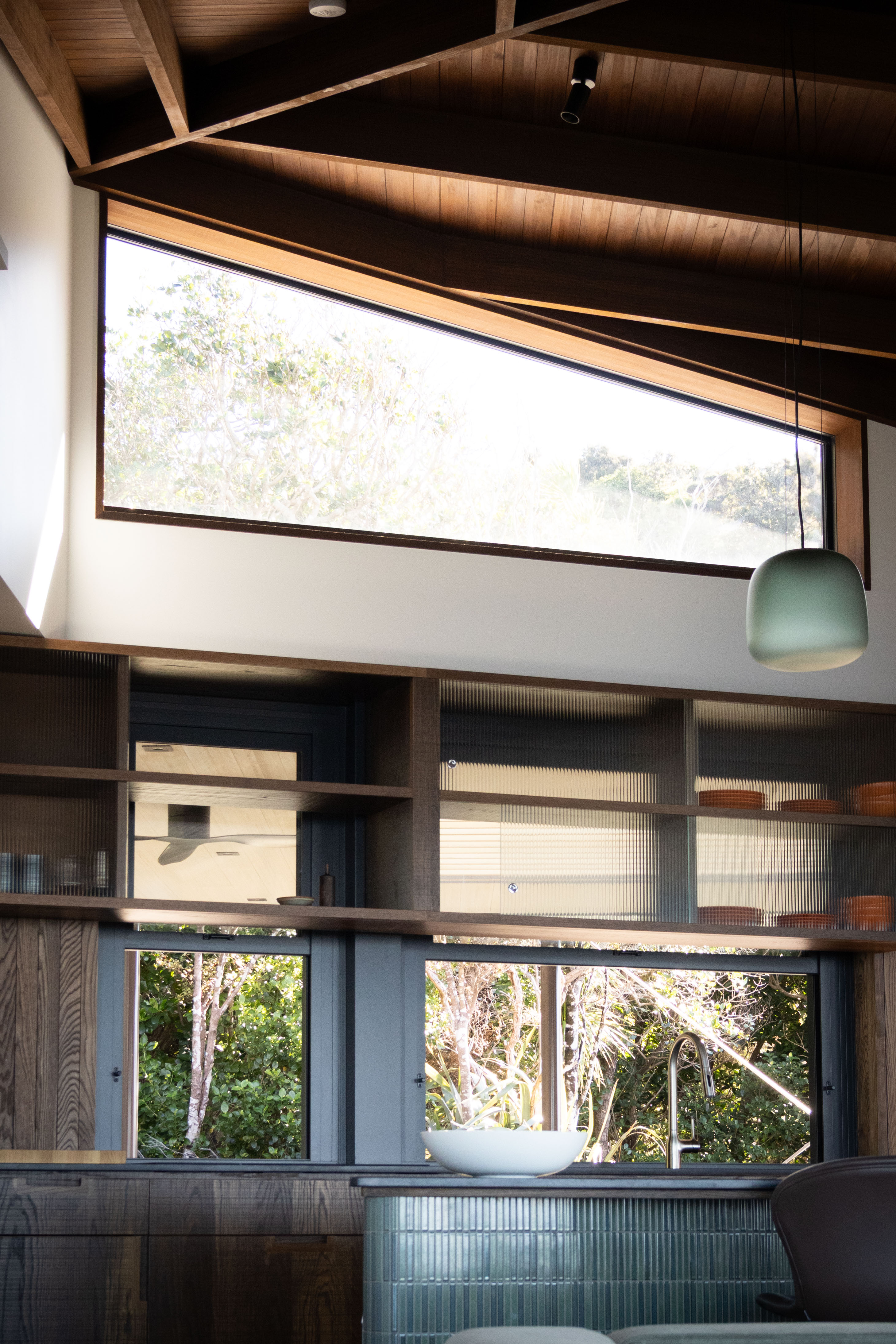
When timber grain catches the morning sun or a hand-laid brick wall casts subtle shadows across a hallway, it gives the mind something to settle on. This is not about adding superficial embellishment for the sake of decoration. It is about materiality and texture acting as a physical anchor. Rhythmic patterns in timber framing, exposed rafters, or repeating vertical louvres provide a visual cadence that feels deeply grounding. They give scale to a room and help us orient ourselves within openness and enclosure.
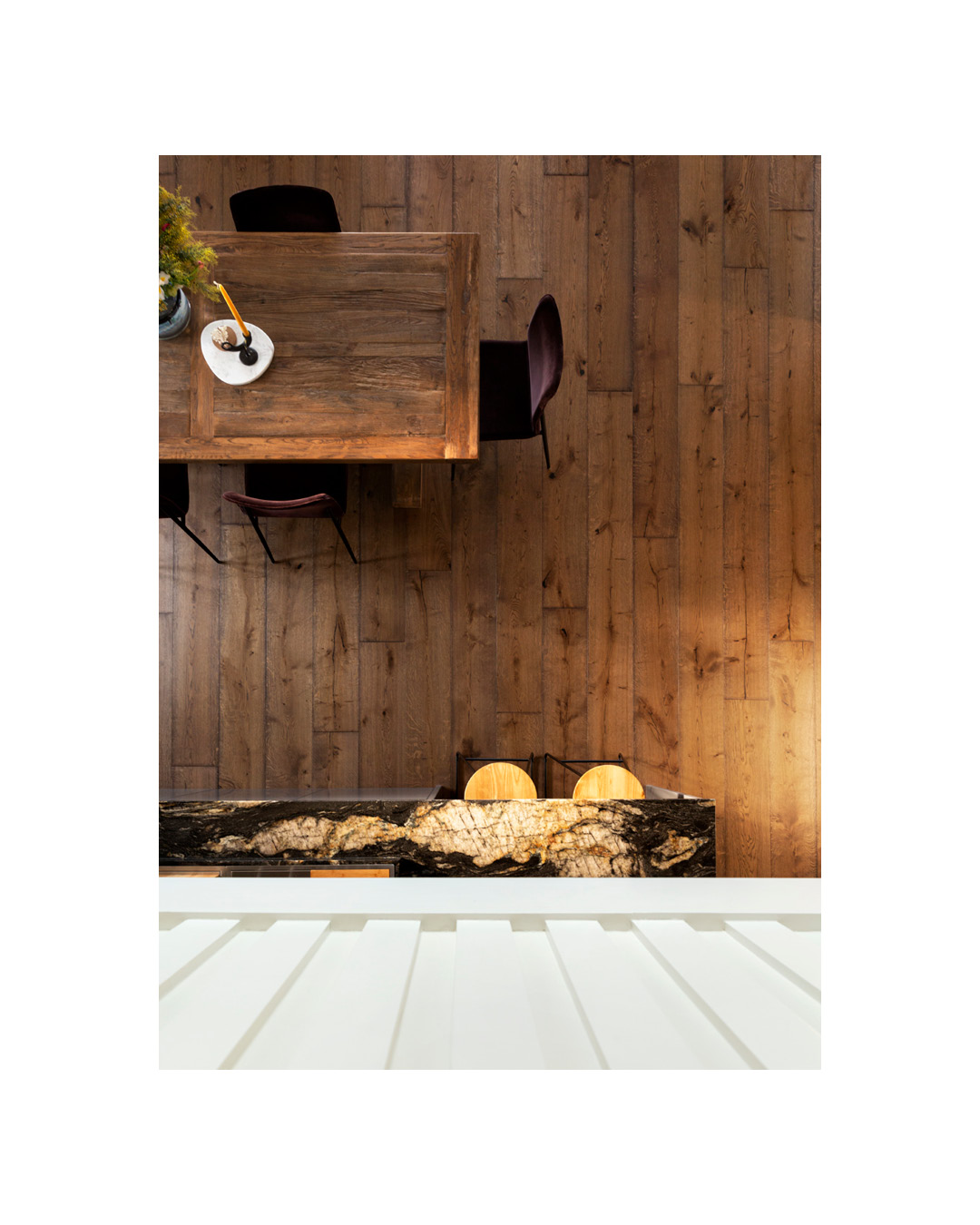
When we design, we think about how a wall feels when your hand brushes against it, or how the transition from raw concrete underfoot to warm native timber subtly alters your posture and mood. Texture slows us down. It invites touch and encourages presence in a world that often moves too fast.
Architecture that respects the human body moves away from clinical efficiency. By weaving thoughtful texture and structural rhythm into the fabric of a home, we create spaces that align with how we naturally move, gather, and live. A home should never feel like a machine. It should feel like a natural, living extension of your everyday life.
Share